

There is something wonderfully persuasive about an empty backyard. It whispers, “Put a chair here.” Then another chair. Then perhaps a table, a grill, and suddenly you are planning dinner outside three nights a week. But before reaching for the measuring tape, there is one practical decision to settle: patio vs deck. Both can turn unused ground into a useful outdoor room, but they behave quite differently.
Start With the Ground Beneath You
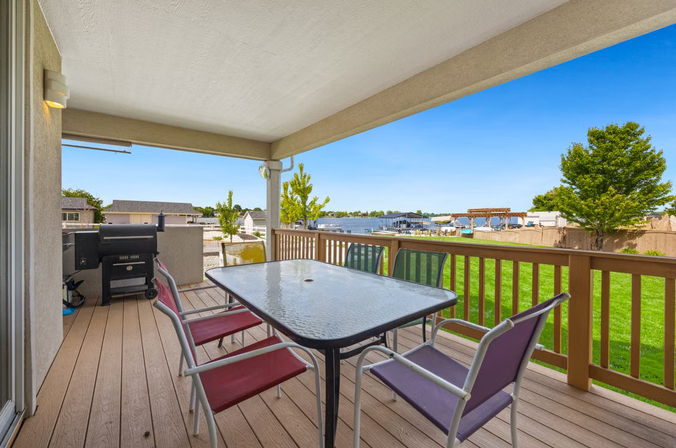
A patio generally sits directly on the ground. Common materials include concrete, brick, stone, and pavers. That makes it a natural choice for a yard with relatively level terrain. It also creates a visual connection between the house and garden, which can be especially pleasing if planting beds surround the space. A deck, by contrast, is typically raised above the ground. Its structure can accommodate sloping or uneven yards that would make a ground-level surface awkward. A raised platform can also create a useful transition between indoor rooms and the garden. Think of it as a small stage for outdoor life, minus the theatrical monologue.
Consider How You Actually Live Outside
Your habits should guide the decision more than a glossy photograph of somebody else’s backyard. Do you picture morning coffee beside a pot of herbs, children racing across the surface, or long dinners under string lights? A patio can feel grounded and garden-friendly, especially around flower beds and mature trees. It works beautifully for furniture that stays in place. A deck can offer a stronger sense of separation from the lawn. That can be useful if you want a defined entertaining area near an upper-level door. It may also give you a better view over a sloped garden. Before choosing, imagine a normal Saturday rather than an idealized magazine afternoon.
Compare Cost and Maintenance
Initial costs vary considerably because material, size, labor, site conditions, and local construction rates all play a role. Patios can require substantial groundwork, particularly if drainage or excavation is needed. Decks involve structural framing, supports, and suitable decking materials. The price tag is therefore less about choosing one magic winner and more about the specific project. Maintenance deserves equal attention. Some decking materials need regular cleaning, staining, or sealing, while certain alternatives require less routine care. Patios can be easier to maintain but may develop stains, weeds between pavers, or cracks depending on the material and installation. Neither option is completely hands-off. Your future self will have opinions about this.
Think About Shade, Weather, and Drainage
Outdoor surfaces have to coexist with rain, heat, shade, and the occasional determined leaf. A patio’s position at ground level can make drainage especially important. Water needs somewhere sensible to go, particularly beside the house. Poor drainage can turn a pleasant sitting area into a puddle with ambitions. Decks have different considerations. Air can circulate beneath a raised structure, and the height can help manage uneven terrain. Yet the boards and framing still face moisture and changing weather. Shade from nearby trees can also affect drying time and maintenance needs.
Let the Garden Have a Vote
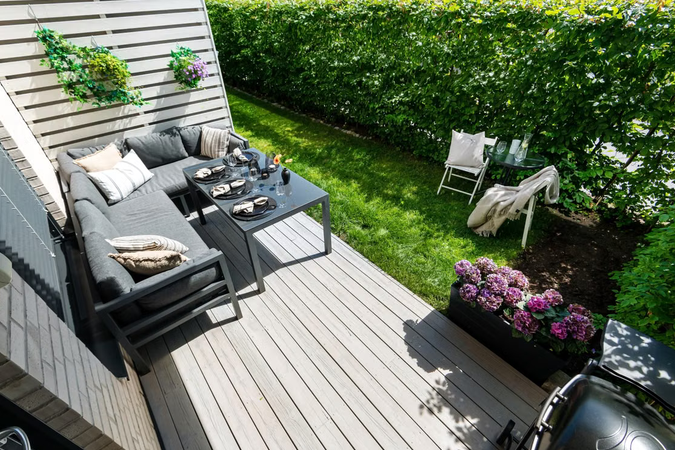
The best choice should make sense alongside the plants, paths, house, and existing landscape. A low patio can disappear gently into a lush garden, allowing plants to soften its edges. A deck can provide a stronger architectural shape, particularly beside a modern or elevated home. Neither needs to overpower the garden. So, patio vs deck is less a contest than a question of fit. Look at your terrain, routines, maintenance tolerance, budget, and relationship with the garden. Then choose the surface that makes outdoor living feel easy rather than forced. A good outdoor space should invite you outside without shouting for attention.