Small apartments have one brutal rule: every square meter has to earn its keep. That is why ComfortRank can help you compare furniture choices that promise comfort without swallowing your entire living room. A giant sofa may look fantastic in a showroom, but in a compact apartment, it can turn the room into a furniture traffic jam. The goal is simple: get pieces that work hard while leaving you enough floor to actually walk. The good news is that small-space furniture has become much smarter. Beds can hide storage, tables can disappear when dinner is over, and shelves can climb upward instead of spreading sideways. These pieces can make a modest apartment feel far less cramped. Here are five worth putting on your shopping radar.
A Storage Bed That Hides the Chaos
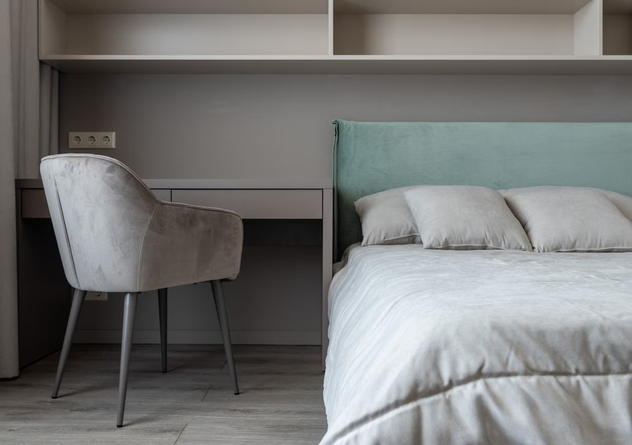
A bed already takes up a huge chunk of the bedroom, so why let that space underneath sit there doing absolutely nothing? A storage bed can give you drawers or lift-up compartments for clothes, blankets, luggage, and those random items that somehow multiply overnight. It turns dead space into useful storage without adding another cabinet. That is a pretty sweet deal. This setup works especially well in studios and small bedrooms. You can keep bulky seasonal items under the mattress instead of stuffing them into an overcrowded closet. Choose a frame with sturdy hardware and smooth-opening compartments. Nobody wants to wrestle with a drawer every morning before coffee.
A Foldable Dining Table
A full-size dining table can dominate a tiny apartment. A folding table offers a different game plan because it can shrink when you need more floor space. Use it for meals, remote work, crafts, or an impromptu snack station. Then fold it down when the activity is finished. Some designs attach directly to a wall, while others use drop-leaf sides. The right option depends on how much table space you actually need. If you usually eat alone or with one other person, a compact design may be enough. When guests arrive, simply open it up and let the table grow.
A Lift Top Coffee Table
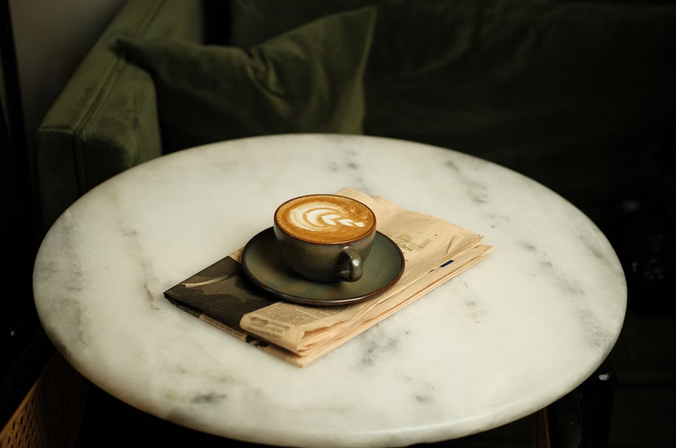
A coffee table can do much more than hold a mug and collect remote controls. A lift-top version raises part of the surface, creating a comfortable spot for working, eating, or scrolling through your laptop. Many models also include hidden compartments beneath the top. That means fewer chargers, magazines, and mystery objects cluttering the sofa. This piece can be especially useful if your apartment does not have room for a dedicated desk. Keep the surrounding area open so the table can be used without blocking the main walkway. Look for a mechanism that moves smoothly and locks securely. A table that suddenly drops your laptop into your lap is a furniture feature nobody requested.
A Tall Storage Shelf
When floor space disappears, look up. Tall shelving uses vertical space while keeping the footprint relatively small. You can use it for books, baskets, plants, kitchen supplies, or decorative pieces without pushing another bulky cabinet into the room. Open shelves can also make a small apartment feel less boxed in than solid storage furniture. Use baskets for items that look messy and leave some sections open for visual breathing room. Anchor tall units properly, especially in homes with children or pets. A little wall support can prevent a big headache later.
A Compact Sofa Bed
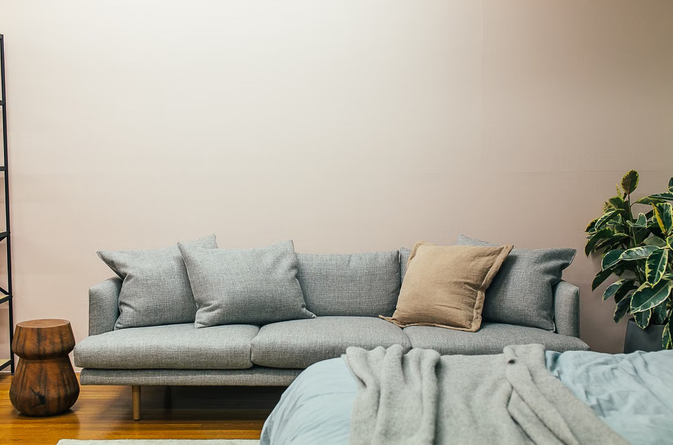
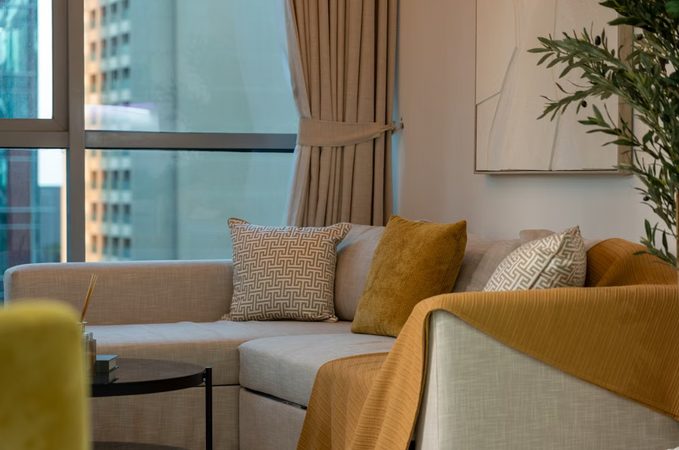
A sofa bed earns its spot by performing two jobs in one footprint. During the day, it provides a place to sit, relax, or binge-watch something you absolutely should have stopped watching two episodes ago. At night, it can become a sleeping area for guests or even serve as the main bed in a studio. That flexibility is valuable when every room has multiple responsibilities. Pay attention to the mattress thickness and opening mechanism before buying. A sofa that looks gorgeous but feels like sleeping on a folded tortilla will quickly lose its charm. Check the dimensions both folded and fully opened. You need enough clearance for comfortable use without turning your apartment into a maze.
Small-space living does not mean every room has to feel cramped. The right furniture can combine storage, comfort, and flexibility without demanding huge amounts of floor area. Think vertically, choose pieces with multiple jobs, and measure before bringing anything home. Your apartment may be small, but your furniture does not have to behave like it.…